

Imagine a world where anyone, from a curious teenager in their garage to a seasoned engineer in a high-tech lab, can bring their wildest ideas to life with the simple push of a button. Welcome to the revolutionary realm of 3D printing, where dreams can be spun into reality layer by meticulous layer. But as this pioneering technology reshapes industries and ignites creativity, it also sparks a pressing conversation about the unseen guardian of innovation: intellectual property.
In this article, we embark on an exhilarating journey through the intricacies of intellectual property in the 3D printing cosmos. We’ll unravel how protecting these intangible treasures not only fuels the creative fire but also ensures a fair playground for tinkerers and trailblazers alike. Ready to dive in? Let’s explore how safeguarding these imaginative rights is as essential as the very filament that weaves our dreams into tangibility.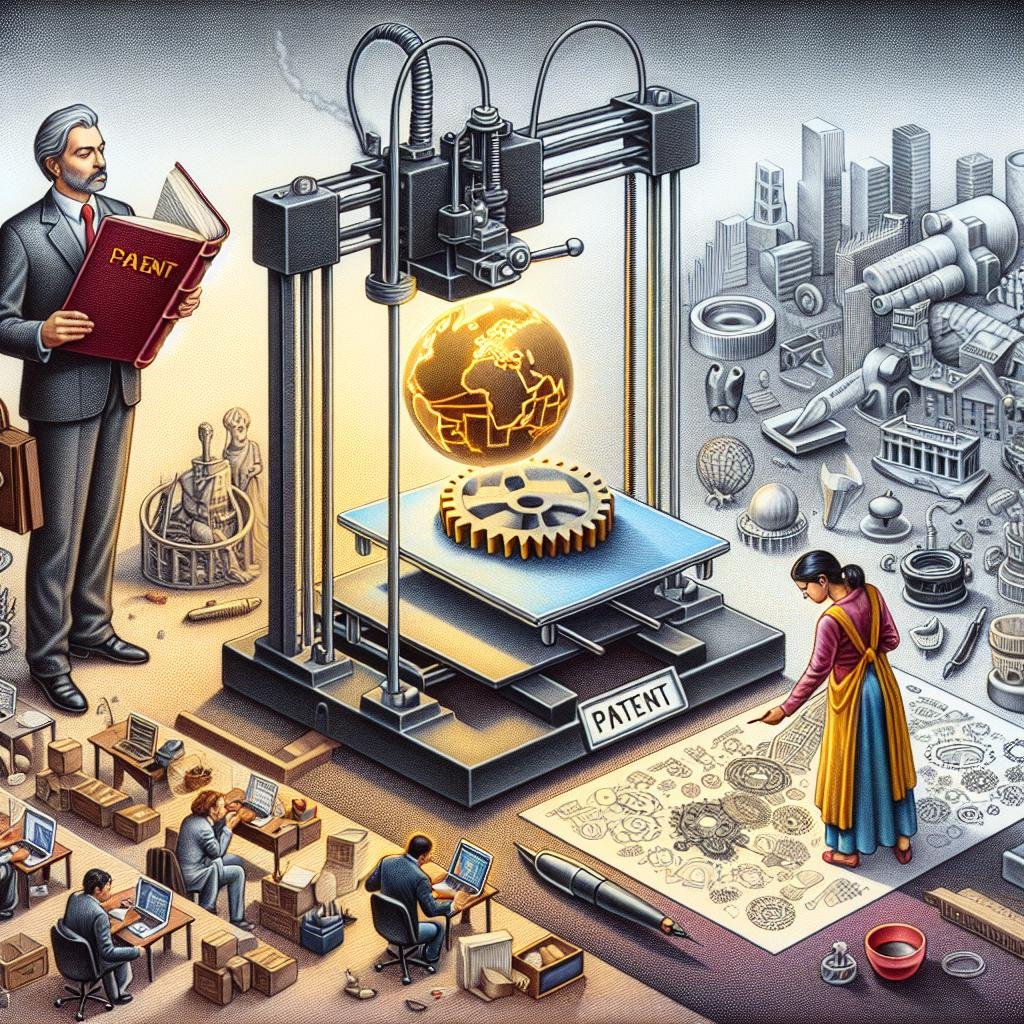
How 3D Printing Revolutionizes Innovation While Challenging IP Norms
Imagine a world where you can design, prototype, and manufacture virtually any product right from your desktop. Thanks to 3D printing, this world is not a distant dream but a current reality. This powerful technology has democratized creation and sparked innovation across industries. Entrepreneurs, startups, and even hobbyists can transform ideas into tangible objects in no time, accelerating the pace of innovation. Yet, while this burgeoning freedom fosters creativity, it also stretches the norms and definitions of intellectual property (IP), challenging legal systems to catch up.
3D printing’s capacity to easily replicate objects poses significant challenges to traditional IP rights. For instance:
- Designs: How do you protect a digital design that can be shared and printed globally?
- Counterfeiting: What steps can be taken to prevent unauthorized reproductions?
- Enforcement: Is it feasible to enforce IP laws in decentralized digital environments?
To counteract these issues, new frameworks and technologies are emerging:
| Challenge | Solution |
|---|---|
| Unauthorized Distribution | Blockchain for secured, traceable transactions |
| Unauthorized Printing | Watermarked 3D files detectable by printers |
| IP Enforcement | AI for monitoring and takedown of counterfeit designs |
While enhancing creativity, IP frameworks must evolve to effectively govern this landscape, ensuring that innovation and rights move forward hand in hand.
Protecting Your Creations: Essential Patents and Trademarks in 3D Printing
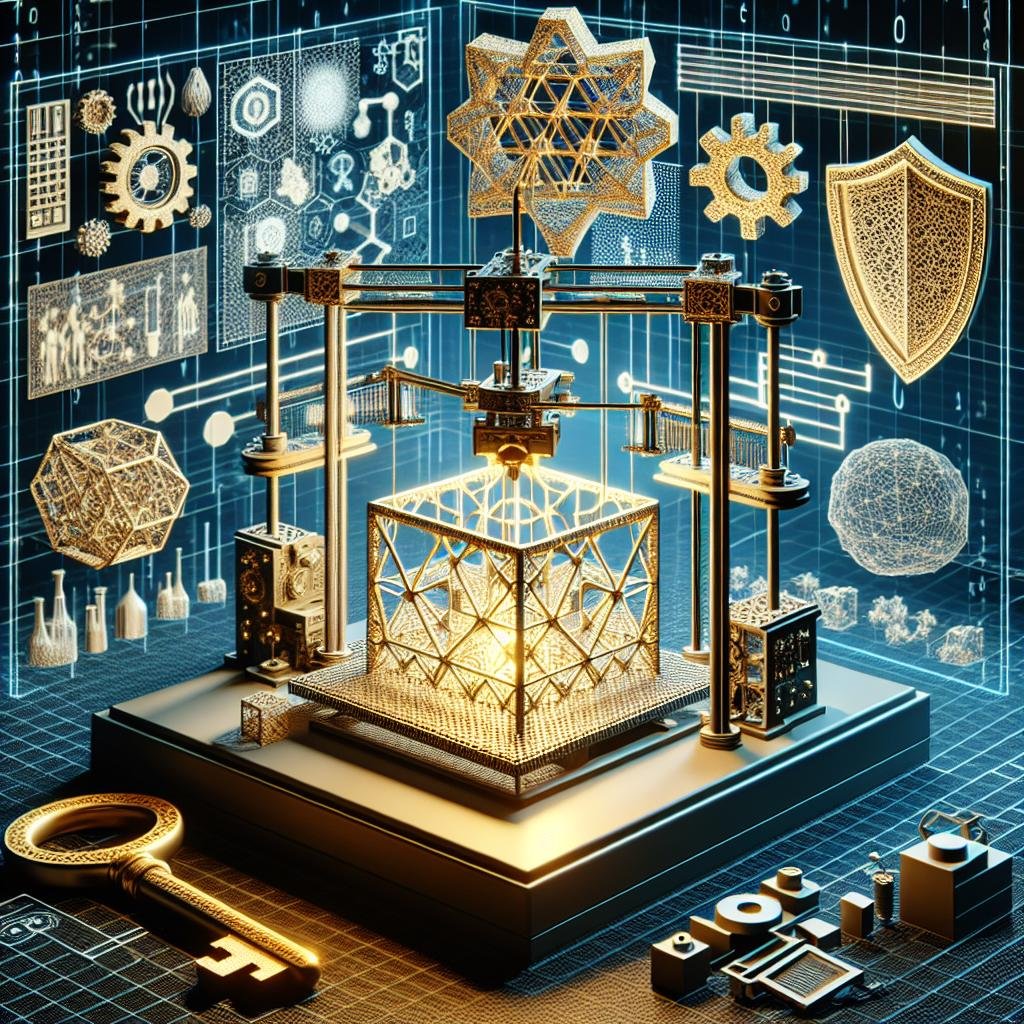
In the rapidly evolving world of 3D printing, protecting your unique designs and innovations becomes paramount. Patents play a crucial role, offering inventors exclusive rights to their creations. This can include novel printing techniques, innovative materials, and even specialized equipment. By securing patents, creators can prevent others from reproducing, using, or selling their inventions without permission. To maximize the benefits of patents:
- Document every step of your invention process.
- Conduct thorough research to ensure your idea is genuinely unique.
- Seek professional advice from a patent attorney to navigate legal complexities.
Parallelly, trademarks give your brand the recognition it deserves in an ever-competitive market. Whether you’re a hobbyist or a commercial enterprise, a trademark protects symbols, phrases, and logos that distinguish your products. This safeguarding fosters consumer trust and promotes brand loyalty. When considering trademarks:
- Design a distinct and memorable logo.
- Ensure your trademark is unique within your domain.
- Register with the appropriate authorities to provide legal backing.
| Aspect | Patents | Trademarks |
|---|---|---|
| Protection | Exclusive rights to inventions | Brand recognition and distinction |
| Validity | Up to 20 years | Indefinitely, with correct usage |
| Scope | Inventions and processes | Logos, phrases, symbols |
Navigating Copyright Law: Ensuring Fair Use and Avoiding Infringement
When it comes to intellectual property (IP) in the realm of 3D printing, understanding copyright law and ensuring fair use is crucial. Not only does it protect the original creators of the designs, but it also safeguards your projects from legal complications. Navigating these waters requires knowledge of several key aspects: the distinction between original works and derivatives, the implications of commercial vs. non-commercial use, and the parameters of transformative use.
- Original Works vs. Derivatives: Know whether your 3D printed project constitutes a new creation or a modification.
- Commercial vs. Non-commercial Use: Understand the licensing implications when selling or distributing your prints.
- Transformative Use: Ensure your use alters the original work enough to qualify as fair use.
Avoiding infringement and ensuring fair use often means licensing properly, crediting original creators, and understanding “safe harbor” provisions. Here’s a snapshot of licensing types:
| License Type | Permissions | Best Practices |
|---|---|---|
| Creative Commons | Broad usage, varied restrictions | Check specific CC license terms |
| Public Domain | Free use | Double-check public domain status |
| Patent Protection | Exclusive rights | Conduct thorough research for potential patents |
By being mindful of these dimensions, hobbyists and professionals can ensure their 3D printing endeavors are both innovative and legally compliant.
Best Practices for Sharing and Licensing 3D Printed Designs Safely
To ensure your 3D printed designs are protected while promoting creativity, here are some best practices you should follow:
- Choose the right license: Whether it’s Adobe or Creative Commons, make sure to clearly state on your design what others can and cannot do with it. This not just safeguards you but also guides the users effectively.
- Watermark your files: Consider embedding subtle, non-intrusive watermarks in your STL or OBJ files. This way, even if your designs are shared without permission, they can still be traced back to you.
| License Type | Permissions | Restrictions |
|---|---|---|
| Creative Commons | Sharing, Adaptation | Non-Commercial Use |
| GNU GPL | Copy, Modify | Share Alike |
- Use digital rights management (DRM): Implement DRM technologies to restrict unauthorized access and distribution of your digital models. This extra layer of security ensures that your creations are not used in unintended ways.
- Draft a clear user agreement: Include a detailed agreement stating the terms under which your designs can be used. This document can serve as a legally binding contract in case of any disputes.
Q&A
Q&A: The Importance of Intellectual Property in 3D Printing
Q1: Why is intellectual property so crucial in the world of 3D printing?
A1: Great question! Intellectual property (IP) is vital in 3D printing because it helps protect the creations, designs, and innovations that make this technology so exciting. Just think of IP as a shield for inventors and creators, ensuring their work is recognized and can’t be copied without permission. This protection fosters creativity and invention, which drives the entire industry forward.
Q2: How can someone protect their 3D printing designs?
A2: Protecting your 3D printing designs can be done primarily through patents, copyrights, and trademarks. Here’s a quick breakdown:
- Patents: These protect new inventions and functional designs. So, if you create a groundbreaking 3D printer or a revolutionary mechanism, a patent is what you need.
- Copyrights: If your creation is more artistic, like a detailed sculpture or decorative object, a copyright will protect your expressive works.
- Trademarks: These are used to protect brand names, logos, and symbols. If you’re building a brand around your 3D printed products, trademarks ensure your brand identity remains unique.
Q3: What are the risks if IP isn’t managed properly in 3D printing?
A3: Oh boy, the risks can be significant! If intellectual property isn’t managed properly, creators can lose control over their designs. It can lead to unauthorized reproductions, which might dilute your brand or even cause financial losses. Additionally, legal battles can be stressful and costly. Proper IP management ensures creators get the credit and compensation they deserve while keeping innovation alive and well.
Q4: Can 3D printing enthusiasts face any legal issues related to IP?
A4: Absolutely, and it’s something every 3D printing enthusiast should be aware of. If you download and print a design without proper permission or infringe on someone’s patent, you could face legal trouble. That’s why it’s important to stick to using legally available designs or creating your own. Remember, respecting IP encourages more innovation and creativity within the community.
Q5: How does the IP landscape in 3D printing impact businesses?
A5: For businesses, understanding and navigating the IP landscape is crucial for maintaining a competitive edge. Businesses must ensure their innovations are protected to safeguard investments in research and development. Moreover, respecting other entities’ IP rights can prevent potential litigation, protecting the company’s reputation and financial health. It’s a win-win: companies maintain their edge while contributing to a respectful and innovative commercial environment.
Q6: What should a new creator in the 3D printing space know about IP?
A6: Welcome to the exciting world of 3D printing! As a new creator, the most important thing to know is that protecting your work through IP rights is essential. Start by researching the basics of IP and seeking legal advice if needed. Document your designs and processes meticulously, and be mindful of existing patents and copyrights. By doing so, you’ll create a strong foundation for your creative work and avoid common pitfalls that many newcomers face.
Q7: Are there any resources for learning more about IP in 3D printing?
A7: Absolutely! There are numerous resources available to help you navigate IP in the 3D printing world. Websites like the USPTO (United States Patent and Trademark Office) offer valuable information on IP laws and filing procedures. Additionally, many online courses and webinars focus specifically on IP in the creative industries. Networking with professionals in the field and joining 3D printing communities can provide practical insights and support.
Q8: What’s the bottom line on IP and 3D printing?
A8: The bottom line is that intellectual property plays a pivotal role in the flourishing 3D printing industry. It protects creators, promotes innovation, and ensures that the landscape remains fair and dynamic. Whether you’re a hobbyist or a business, respecting and understanding IP is fundamental to your success and the overall health of the 3D printing ecosystem. Happy printing! 🌟
In Retrospect
As we draw the curtain on our deep dive into the fascinating world of 3D printing and intellectual property, it’s clear that this innovative technology is transforming the landscape of creativity, industry, and law. Just like an intricate 3D-printed sculpture, the balance between fostering innovation and respecting intellectual property rights is a work of art in progress.
In this brave new world of digital fabrication, where imagination becomes tangible, let’s celebrate the inventors, the creators, and the protectors of ideas. We all have a part to play in ensuring that the symphony of innovation continues, harmonized with the chords of fairness and respect.
So, next time you marvel at a 3D-printed masterpiece, remember the invisible threads of intellectual property that make it possible. Here’s to a future where creativity flourishes, protected by the very laws that encourage its growth. Happy printing, and may your imagination always be unlimited! 🎨💡✨