
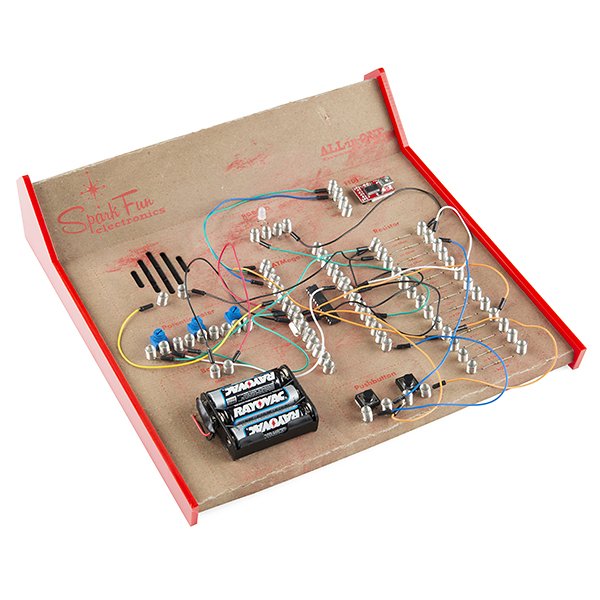
Are you intrigued by the world of DIY electronics, but don’t know where to begin? Look no further! This article will provide you with a comprehensive guide on how to get started with DIY electronics kits. Whether you’re a complete beginner or have some basic knowledge, these kits are designed to help you learn and explore the fascinating field of electronics in a hands-on and engaging way. From understanding the components to building your own projects, prepare to embark on an exciting journey of discovery and creativity with DIY electronics kits.
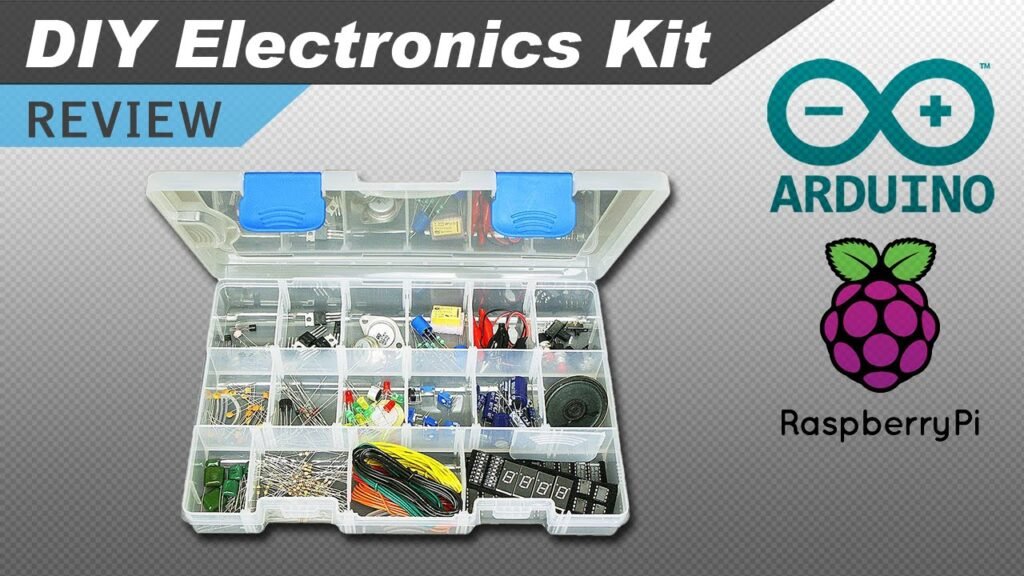
This image is property of i.ytimg.com.
Choosing the Right DIY Electronics Kits
When it comes to choosing the right DIY electronics kit, it’s important to consider your skill level. If you are a beginner, it’s best to start with a kit that is designed for beginners. These kits usually come with detailed instructions and all the necessary components to complete the project. As you gain more experience and confidence, you can move on to more advanced kits.
It’s also a good idea to research different types of kits available in the market. There are kits available for various projects such as LED lights, robotics, and even home automation. By researching and understanding the different types of kits, you can choose one that aligns with your interests and goals.
Reading reviews and recommendations from other DIY enthusiasts can be incredibly helpful in making your decision. Online forums, social media groups, and review websites are great platforms to learn about the experiences of others with specific kits. Pay attention to both positive and negative feedback to get a well-rounded perspective.
Essential Tools and Equipment
Before getting started with any DIY electronics project, you’ll need to ensure that you have the essential tools and equipment. These tools will not only help you build your project but also ensure your safety during the process.
A soldering iron is a must-have tool for any electronics project that involves connecting components together. It allows you to create a strong and reliable connection between wires and components. Make sure to choose a soldering iron with adjustable temperature control for better precision.
A desoldering pump is another tool that comes in handy when you need to remove soldered components. It enables you to safely and efficiently remove solder in case you need to correct any mistakes or replace faulty components.
A multimeter is an essential tool for troubleshooting and testing electrical circuits. It helps you measure voltage, current, and resistance, providing valuable information about the functioning of your circuit.
Wire strippers are used to remove the insulation from wires, making it easier to connect them to components. They come in various sizes, so choose one that is suitable for the gauge of wire you are working with.
A breadboard is a versatile tool that allows you to build and test circuits without soldering. It consists of a grid of holes where you can insert components and connect them using jumper wires. Breadboards are great for prototyping and experimenting before committing to a permanent soldered circuit.
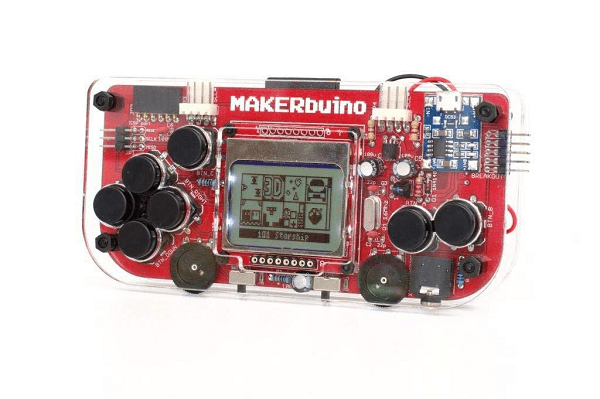
This image is property of www.censtry.com.
Understanding Basic Electronics Concepts
To successfully work with DIY electronics kits, it’s important to have a basic understanding of the fundamental concepts of electronics.
Ohm’s Law is a fundamental principle that relates voltage, current, and resistance in a circuit. By understanding this relationship, you can calculate and predict how components will behave in a circuit.
Familiarizing yourself with circuit diagrams is crucial for understanding how a circuit is designed and how its components are connected. Circuit diagrams use symbols to represent different components and show the flow of current in the circuit.
Understanding component identification is also essential. Each component has its own unique identification markings or codes. Learning how to read these markings will help you select the right component for your project and understand its specifications.
Start with Simple Projects
When starting out with DIY electronics kits, it’s best to begin with simple projects to build your skills and confidence.
An LED flashlight is a great beginner project that introduces you to the basics of circuitry and soldering. It typically involves connecting an LED, a resistor, and a switch to a battery. This project allows you to understand how different components work together to create a functional circuit.
The blinking LED project is another simple project that teaches you how to control the flashing of an LED using a microcontroller or a simple circuit. This project helps you understand the concept of programming and introduces you to basic circuit design.
Working on a light sensor project allows you to create a circuit that can detect changes in light intensity and trigger a response. This project is a great way to learn about sensors and how they can be used in various applications.
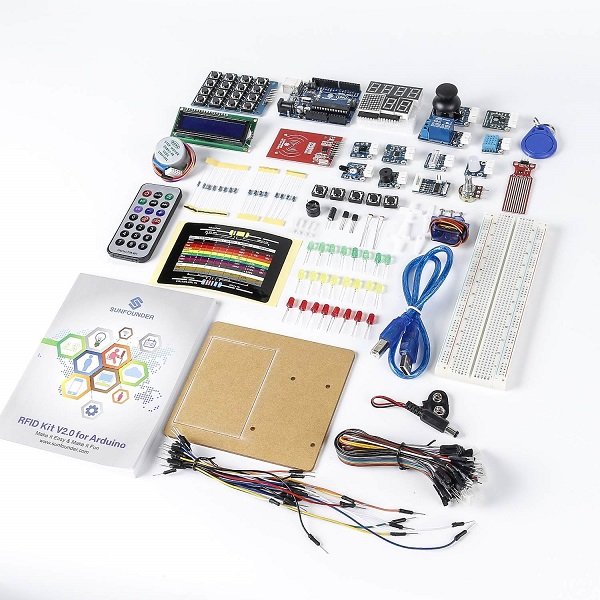
This image is property of www.censtry.com.
Following Instructions and Diagrams
Once you have chosen a DIY electronics kit and have all the necessary tools, it’s important to carefully read the kit manual. The manual provides step-by-step instructions on how to assemble the components and build the circuit. It also includes important safety precautions, so make sure to read and follow them.
Studying circuit diagrams is crucial for understanding how the components are connected in the circuit. Take the time to carefully analyze the circuit diagram provided with the kit. Pay attention to the symbols used for different components and the direction of current flow.
While following step-by-step instructions, it’s important to go at your own pace and make sure you understand each step before proceeding. This will help prevent mistakes and ensure that your circuit is assembled correctly.
Soldering Techniques and Safety
Soldering is a fundamental skill in DIY electronics. Here are some tips for successful soldering:
- Practice soldering on scrap components before working with the actual project. This will help you refine your technique and become more comfortable handling the soldering iron and components.
- Always wear safety glasses and protective gear to protect yourself from solder splatters and other potential hazards.
- Avoid overheating components by not applying excessive heat for too long. Overheating can damage the component or the circuit board.
This image is property of cdn.sparkfun.com.
Troubleshooting and Problem Solving
Even with proper planning and careful execution, issues can arise during DIY electronics projects. Here are some tips for troubleshooting and problem-solving:
Identify common issues such as loose connections, incorrect component placement, or faulty components. These issues can often be resolved by double-checking your connections and replacing any defective components.
Use a multimeter for testing and diagnosing circuit issues. By measuring voltage, current, and resistance at different points in the circuit, you can pinpoint problem areas and make the necessary adjustments.
Seek help from online communities, forums, and discussion groups. Other DIY enthusiasts and experts can offer valuable guidance and insights to help you troubleshoot and solve any problems you encounter.
Expanding Your Skills
Once you have gained some confidence and experience with DIY electronics kits, you can start experimenting with different components and projects.
Experimenting with different components allows you to explore their capabilities and potential applications. Try integrating different sensors, actuators, or microcontrollers into your circuits to expand your knowledge and skills.
Create custom projects that align with your interests and goals. Whether it’s building a home automation system or designing your own robotic arm, custom projects allow you to apply your newfound knowledge and creativity.
Learn from advanced DIY electronics kits that are designed for more experienced hobbyists. These kits often involve complex circuits and advanced programming, enabling you to further enhance your skills and take on more challenging projects.
This image is property of cdn.sparkfun.com.
Practicing Proper Maintenance
Maintaining a clean and organized workspace is essential for your safety and the longevity of your components and tools.
Clean and organize your workstation regularly, clearing away any debris, excess solder, or unwanted components. This will make it easier to work on your projects and prevent any potential hazards.
Store components in proper containers to protect them from dust, moisture, and accidental damage. Small plastic containers or organizer boxes are ideal for organizing and storing different types of components.
Keep track of your projects by labeling and documenting your work. This will make it easier to revisit and troubleshoot your projects in the future, as well as serve as a reference for future projects.
Joining DIY Electronics Communities
Joining DIY electronics communities can greatly enhance your learning experience and provide opportunities for collaboration and networking.
Participate in online forums and discussions where you can share your projects, ask questions, and learn from others. Engaging in these communities allows you to tap into the collective knowledge and expertise of fellow DIY enthusiasts.
Attend local electronics meetups or workshops to meet like-minded individuals and share your passion for DIY electronics. These events often feature guest speakers, hands-on activities, and opportunities to showcase your projects.
Consider collaborating on projects with fellow enthusiasts. Working in a team allows you to leverage each other’s skills and ideas, and it can be a great way to tackle more complex projects.
In conclusion, getting started with DIY electronics kits requires careful consideration of your skill level, research on different types of kits, and reading reviews and recommendations. It’s important to have essential tools and equipment, as well as a basic understanding of electronics concepts. Starting with simple projects, following instructions and diagrams, and practicing proper soldering techniques and safety are essential for successful DIY electronics projects. Troubleshooting and problem-solving skills, along with expanding your skills through experimentation and advanced kits, will further enhance your abilities. Practicing proper maintenance and joining DIY electronics communities will help you continue learning and growing in this rewarding hobby.