
## Understanding the 0130F00010 Flame Sensor: A Complete Guide for HVAC Professionals
Ever replaced a flame sensor and found yourself wondering if you got the right part? The Goodman 0130F00010 flame sensor is a critical component in many heating systems, but there’s often confusion about compatibility and proper installation. Let’s dive into everything you need to know about this essential HVAC part.
## What is the 0130F00010 Flame Sensor?
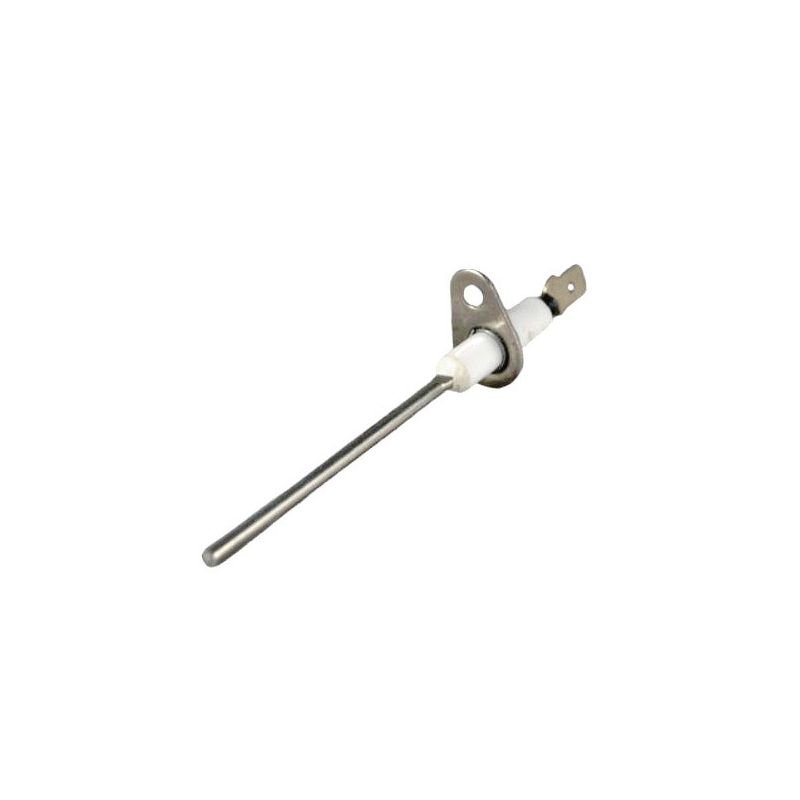
The [0130F00010 flame sensor](https://hvacdirect.com/goodman-flame-sensor-0130f00010-id10649.html?affiliate_code=Bqcs9NJjyA&referring_service=link) is a genuine OEM replacement part manufactured by Goodman. This small but mighty component consists of a metal rod with a porcelain insulator that performs a critical safety function: monitoring your furnace’s burner flame.
Think of it as your furnace’s guardian – constantly checking that a flame is present when gas is flowing. Without it, you’d have a serious safety hazard on your hands.
The sensor weighs only about 0.05 pounds and has compact dimensions (approximately 0.3″ length, 0.7″ height, and 0.5″ width), but don’t let its small size fool you – this part is crucial to your heating system’s operation.
## Why the 0130F00010 Matters in Your HVAC System
When a furnace starts its heating cycle, the flame sensor verifies that combustion is actually occurring. If the sensor doesn’t detect a flame when it should, it triggers the control board to shut off gas flow – preventing potentially dangerous gas accumulation.
Here’s why this matters:
– **Safety First**: Prevents gas buildup that could lead to explosions
– **System Efficiency**: Ensures your system isn’t wasting fuel
– **Extended Equipment Life**: Protects other components from damage
– **Reliable Heat**: Helps prevent those frustrating no-heat calls from customers
## Common Signs of a Failing Flame Sensor
A flame sensor doesn’t last forever. Here are key indicators that it’s time for a replacement:
– Furnace that starts then quickly shuts off (short cycling)
– System that runs for a few minutes then stops
– Intermittent heating issues
– Error codes indicating flame sensing problems
– Visible corrosion or carbon buildup on the sensor rod
## Replacement Part Compatibility
The 0130F00010 replaces older part numbers 20488501 and B1172606. This flame sensor is compatible with hundreds of Goodman, Amana, and Janitrol models, making it an essential part to keep in your service vehicle.
The extensive compatibility list includes models from numerous product lines:
– ACEC, ACES, ACSH series
– ACSS, ACVC, ACVM series
– ADSH, ADSS, ADV series
– AMEC, AMEH, AMES series
– AMH, AMS, AMSS series
– AMV, AMVC, AMVM series
– And many others
Rather than stocking multiple sensor types, this single part covers a vast range of equipment you’ll encounter in the field.
## Professional Installation Tips for the 0130F00010
Installing this flame sensor correctly is crucial for proper operation. Here’s how to do it right:
### Step 1: Safety Preparation
Always disconnect power to the furnace before beginning any work. Turn off the electrical disconnect and the gas supply valve. Verify power is off using a reliable multimeter.
### Step 2: Locate the Existing Sensor
The flame sensor is typically mounted on the burner assembly, positioned to extend into the flame when the burner is operating. It usually has a single wire connected to it.
### Step 3: Remove the Old Sensor
Most flame sensors are held in place by a single screw. Remove this screw carefully and gently pull out the old sensor.
### Step 4: Clean the Mounting Surface
Before installing the new sensor, ensure the mounting surface is clean and free of debris.
### Step 5: Install the 0130F00010
Mount the new sensor in the same orientation as the old one. The metal rod should extend into the path of the burner flame. Secure it with the mounting screw, being careful not to overtighten.
### Step 6: Reconnect the Wire
Reattach the flame sensor wire to the terminal on the new sensor.
### Step 7: Testing
Restore power and gas to the system, then run through a complete heating cycle to verify proper operation.
## Maintenance Best Practices
Even the best flame sensor will eventually develop carbon buildup that can interfere with its operation. Here’s how to extend its life:
1. **Regular Cleaning**: Use fine steel wool or a non-abrasive pad to gently clean the metal rod portion of the sensor. Never use sandpaper, which can damage the surface.
2. **Proper Positioning**: During maintenance, verify the sensor is correctly positioned in the flame path.
3. **Connection Check**: Ensure all electrical connections are tight and free from corrosion.
4. **Annual Inspection**: Make flame sensor inspection part of your regular maintenance routine.
## Troubleshooting Common Issues
### Sensor Not Reading Flame
If the system continues to shut down despite a new sensor, check:
– Is the sensor positioned correctly in the flame?
– Is there adequate ground connection?
– Is the burner flame pattern correct?
### Short Cycling Continues
If replacing the flame sensor doesn’t solve short cycling:
– Verify the microamp reading with a multimeter (should typically be above 1.5-2.0 microamps)
– Check for issues with the control board
– Inspect for drafts affecting the flame pattern
### Intermittent Operation
For systems that work sometimes but not others:
– Look for loose connections
– Check for moisture issues affecting the sensor circuit
– Consider environmental factors like extreme temperatures
## Why Choose Genuine Goodman Parts
The [0130F00010](https://hvacdirect.com/goodman-flame-sensor-0130f00010-id10649.html?affiliate_code=Bqcs9NJjyA&referring_service=link) is a genuine OEM (Original Equipment Manufacturer) part, ensuring it meets the exact specifications required by your Goodman or Amana system. Generic alternatives might save a few dollars upfront but can lead to:
– Poor flame sensing performance
– Shorter lifespan
– Potential damage to other components
– More warranty issues and callbacks
For professional HVAC technicians, using genuine parts like the 0130F00010 helps maintain your reputation for quality service and reduces callbacks.
## Environmental Considerations
The 0130F00010 contains materials that may be subject to Proposition 65 in California, which requires notification that the product may contain chemicals known to cause cancer, birth defects, or other reproductive harm. Always handle with appropriate care and dispose of old sensors according to local regulations.
## Conclusion: The Small Part with a Big Impact
The 0130F00010 flame sensor may be one of the smallest components in a heating system, but its importance can’t be overstated. By understanding its function, knowing when to replace it, and installing it correctly, you’re ensuring your customers’ systems operate safely and efficiently.
Keep this essential part in your inventory, and you’ll be prepared to quickly resolve many common heating issues. Remember, in the world of HVAC, sometimes the smallest parts make the biggest difference in system performance and customer satisfaction.