
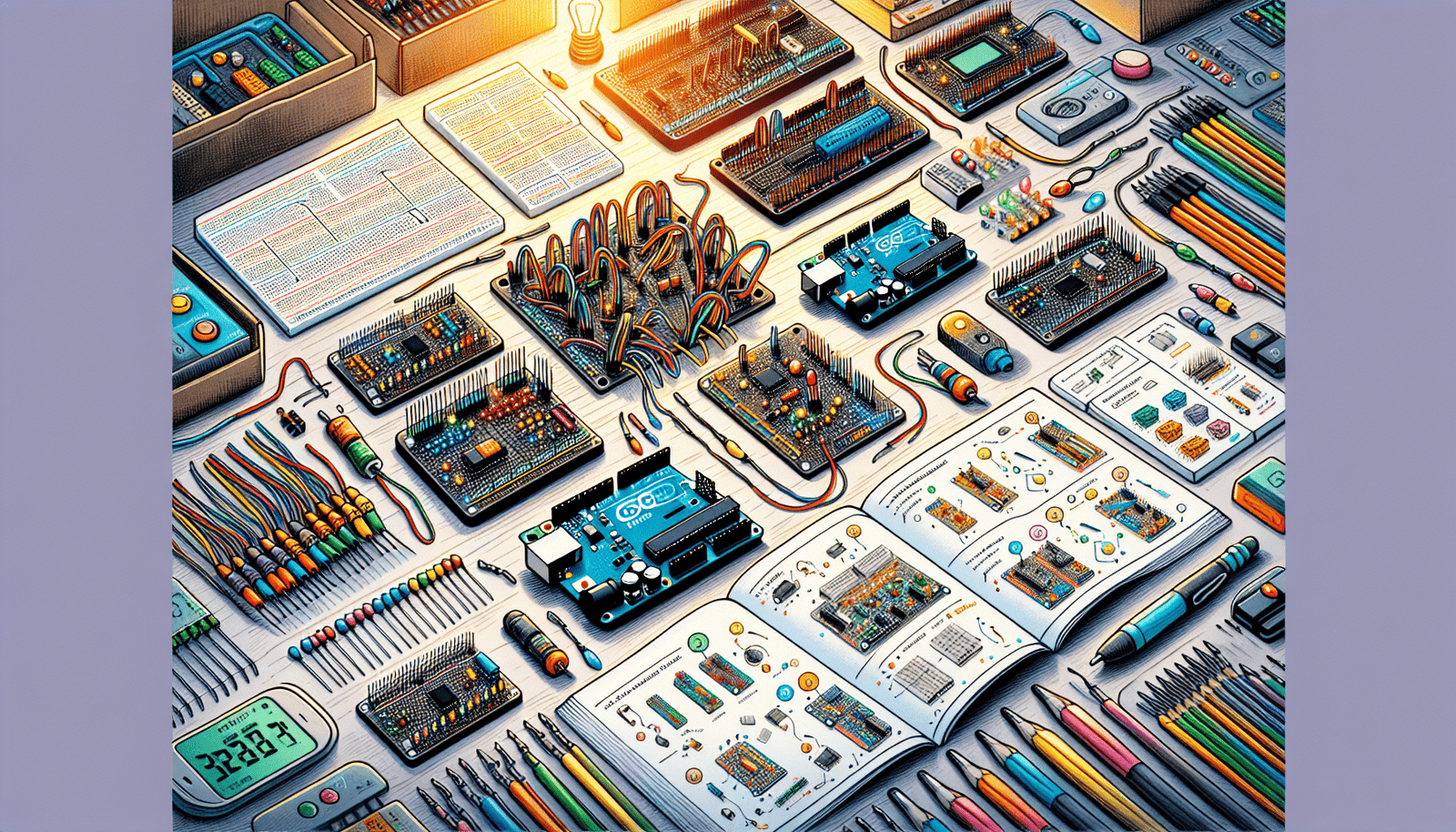
Looking to dive into the world of electronics? Look no further! This comprehensive buyer’s guide is here to help you navigate the exciting realm of DIY electronics kits. Whether you’re a novice or an experienced hobbyist, this article will provide you with the essential information you need to make an informed decision when it comes to choosing the right kit for your needs. From explaining what DIY electronics kits are to highlighting the key factors to consider before making a purchase, we’ve got you covered. So, get ready to embark on a thrilling DIY journey that will unleash your inner tinkerer and bring your electronic dreams to life!
Types of DIY Electronics Kits
Starter Kits
Starter kits are designed for beginners who have little to no experience in electronics. These kits are typically easy to use and provide step-by-step instructions that help you learn the basics of circuitry and programming. They often include a microcontroller, LEDs and displays, sensors and modules, a power supply, a breadboard and wires, and various other basic components. Starter kits are an excellent choice for those who are just starting their journey into DIY electronics.
Intermediate Kits
Intermediate kits are perfect for individuals who have some basic knowledge and skills in electronics. These kits usually include more complex components and projects that require a deeper understanding of circuits and programming. In addition to the components found in starter kits, intermediate kits often include advanced sensors and modules, as well as more powerful microcontrollers. They provide the opportunity to explore more sophisticated projects and develop your skills further.
Advanced Kits
For the experienced electronics enthusiasts looking for a challenge, advanced kits are the way to go. These kits are usually packed with high-end components and offer complex projects that require advanced programming skills. Advanced kits often include components like transistors, diodes, and integrated circuits, allowing you to delve into more advanced concepts and create intricate electronic systems. These kits are definitely not for the faint of heart, but they offer a rewarding experience for those looking to push their limits.
Components Included
Microcontrollers
Microcontrollers are the heart of any DIY electronics project. They serve as the brain that allows you to control and interact with various components and sensors. Starter kits typically include basic microcontrollers that are easy to program, while intermediate and advanced kits offer more powerful and versatile microcontrollers with advanced features and capabilities.
LEDs and Displays
LEDs and displays are essential components in DIY electronics kits. They allow you to visualize data, create visual effects, and add interactivity to your projects. Starter kits usually include basic LEDs and simple displays, while intermediate and advanced kits may feature more advanced displays, such as OLED or TFT screens, and addressable LED strips.
Sensors and Modules
Sensors and modules are what bring your projects to life by allowing you to interact with the physical world. Starter kits often include basic sensors like temperature and light sensors, while intermediate and advanced kits offer a wide range of sensors and modules, such as motion sensors, ultrasonic distance sensors, and Bluetooth modules. These components enable you to create projects that can sense and respond to their surroundings.
Power Supply
A reliable power supply is crucial for any electronics project. Starter kits typically include a basic power supply, such as a battery pack or USB cable, while intermediate and advanced kits may include more advanced power supply options, like adjustable voltage regulators or rechargeable battery modules. It’s important to have a stable power source to ensure proper functioning of your circuits and components.
Breadboard and Wires
Breadboards and wires are used to create temporary circuits without the need for soldering. Starter kits usually come with a small breadboard and basic jumper wires, while intermediate and advanced kits may include larger breadboards and a variety of wires for more complex circuits. These components allow you to quickly prototype and test your circuits before permanently soldering them onto a PCB.
Resistors, Capacitors, and Inductors
Resistors, capacitors, and inductors are passive components that are essential for controlling the flow of electricity in your circuits. Starter kits typically include a selection of basic resistors and capacitors, while intermediate and advanced kits offer a wider range of values and types. These components enable you to customize and fine-tune the behavior of your circuits.
Transistors, Diodes, and Integrated Circuits
Transistors, diodes, and integrated circuits (ICs) are active components that perform specific functions in your circuits. Starter kits may include basic transistors and diodes, while intermediate and advanced kits often provide a variety of transistors, diodes, and ICs with different functionalities. These components allow you to build more complex circuits and explore advanced electronic concepts.
Project Difficulty Level
Beginner-Friendly Projects
Starter kits typically come with beginner-friendly projects that are designed to introduce you to the world of electronics. These projects often include simple circuits that demonstrate basic concepts and utilize the components included in the kit. Examples of beginner-friendly projects may include LED blinking, temperature sensing, or basic robotic movements. These projects are approachable and allow beginners to gain confidence and a solid foundation in electronics.
Intermediate Projects
Intermediate kits offer a wide array of projects that build upon the knowledge gained from beginner-friendly projects. These projects are more challenging and require a deeper understanding of electronics and programming. Intermediate projects may involve building more complex circuits, integrating multiple sensors and modules, and creating interactive devices. Examples of intermediate projects include a smart home weather station, a line-following robot, or a digital thermometer with a graphical display. These projects provide an excellent opportunity for skill development and experimentation.
Advanced Projects
Advanced kits provide projects that push the boundaries of DIY electronics. These projects are designed for experienced enthusiasts who are seeking a significant challenge. Advanced projects often involve complex circuitry, advanced programming techniques, and intricate system designs. Examples of advanced projects include a programmable drone, an IoT-enabled home automation system, or a robotic arm with computer vision capabilities. These projects require a high level of expertise and offer a chance to showcase your skills and creativity.
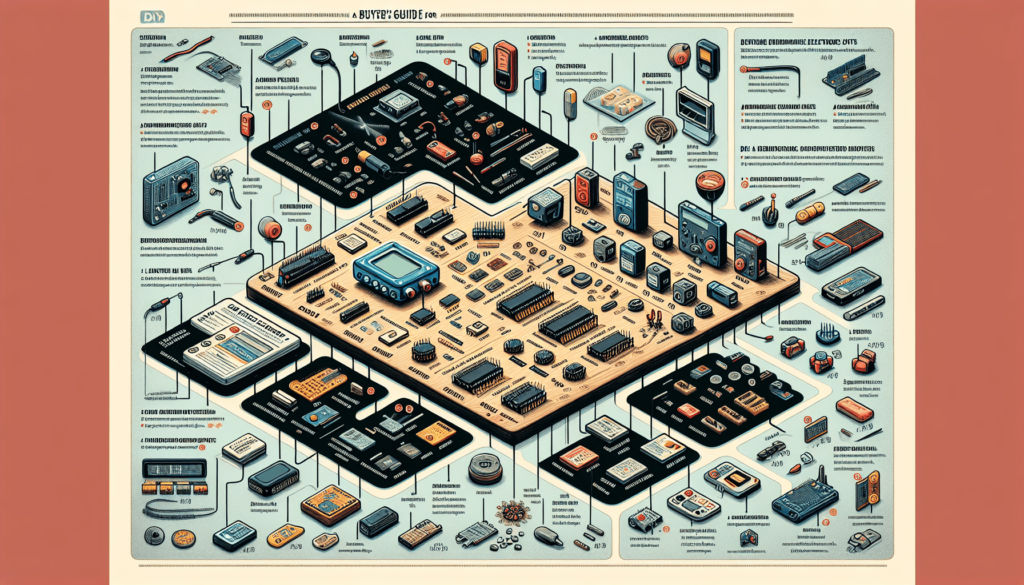
Tools Required
Soldering Iron and Solder
A soldering iron and solder are essential tools for assembling and soldering components onto a PCB. Intermediate and advanced kits often require soldering to create permanent and reliable connections. A good quality soldering iron with temperature control and a variety of soldering tips ensures precise and efficient soldering.
Wire Cutters and Strippers
Wire cutters and strippers are necessary for cutting and stripping wires to the desired length for connection to components and modules. These tools ensure clean and accurate wire connections, preventing shorts or loose connections in your circuits.
Multimeter
A multimeter is a versatile tool that measures voltage, current, and resistance in your circuits. It helps troubleshoot and diagnose problems in your projects, ensuring accurate readings and proper functioning of your circuits.
Pliers
Pliers are handy for gripping and manipulating small components, such as bending component leads, tightening nuts and bolts, or holding wires in place during soldering. They provide additional dexterity and precision in your electronics assembly.
Screwdrivers
Screwdrivers are necessary for tightening screws on components, connectors, and PCBs. Having a set of different-sized screwdrivers ensures compatibility with various types of screws commonly found in electronics.
Desoldering Pump
A desoldering pump is useful for removing solder from PCBs and components, allowing for repairs or modifications. When mistakes happen or components need to be replaced, a desoldering pump provides a clean and efficient way to remove solder without damaging the circuit board.
Breadboard and Jumper Wires
Although included in most kits, having a breadboard and jumper wires is essential for prototyping and testing circuits without the need for soldering. These tools allow for quick modifications and iterations during the development process.
Power Supply
A reliable power supply, such as a benchtop power supply, ensures stable and regulated voltage for your circuits. Intermediate and advanced projects may require specific voltage and current requirements, and a power supply with adjustable settings allows you to meet those demands.
Ergonomic Workstation Setup
To ensure a comfortable and efficient working environment, consider setting up an ergonomic workstation. This may include an adjustable height desk, an adjustable chair, proper lighting, and good ventilation. A well-designed workstation reduces fatigue and promotes productivity during long hours of electronics assembly and project development.
Compatibility and Expandability
Compatibility with Other Electronics Modules
When choosing a DIY electronics kit, it is important to consider the compatibility of the components with other electronics modules. Some kits are built to be compatible with popular development platforms such as Arduino or Raspberry Pi, allowing for seamless integration and expansion. This compatibility opens up a world of possibilities, enabling you to combine components from different kits or even add your own modules to create custom projects.
Options for Expansion and Customization
Expanding and customizing your DIY electronics projects is an exciting aspect of the hobby. Look for kits that offer options for expansion, whether through additional modules, expansion boards, or open-source designs. Kits that support community and third-party modules provide endless opportunities for customization, allowing you to take your projects to the next level.
Online Resources and Documentation
Comprehensive User Manuals and Documentation
Well-documented kits provide comprehensive user manuals and documentation that guide you through the assembly and programming of your projects. These step-by-step instructions ensure a smooth learning experience and minimize frustration. Look for kits that offer clear and detailed documentation, including circuit diagrams, code examples, and troubleshooting tips.
Access to Online Tutorials and Community Forums
Online tutorials and community forums are invaluable resources for DIY electronics enthusiasts. They provide additional guidance, project ideas, and troubleshooting solutions. Kits that provide access to online tutorials and forums create a vibrant community that fosters knowledge sharing and support among fellow hobbyists.
Price Range
Budget-Friendly Kits
Budget-friendly kits are an excellent choice for beginners or those on a tight budget. These kits offer essential components and beginner-friendly projects at an affordable price. While they may not include advanced features or high-end components, they provide a cost-effective way to start your DIY electronics journey.
Mid-Range Kits
Mid-range kits strike a balance between affordability and more advanced features. These kits often include a wider range of components and intermediate-level projects, offering a moderate investment for those seeking more functionality and flexibility.
Premium Kits
Premium kits are targeted towards experienced enthusiasts who want the best of the best. These kits offer high-quality components, advanced projects, and extensive documentation. Although they come at a higher price point, premium kits provide the ultimate DIY electronics experience for those looking for top-notch performance and reliability.
Brand Reputation and Customer Reviews
Trustworthy Brands and Manufacturers
When investing in a DIY electronics kit, it is important to consider the reputation and reliability of the brand and manufacturer. Look for trusted brands with a track record of producing high-quality kits and components. Established brands often have better customer support, warranty policies, and a wide range of available resources.
Positive Customer Reviews and Ratings
Customer reviews and ratings offer valuable insights into the quality and performance of the DIY electronics kits. Pay attention to reviews that specifically mention the durability, ease of use, and customer support provided by the kit manufacturer. Positive reviews and high ratings are indicators of customer satisfaction and can help inform your purchasing decision.
Safety Considerations
Adherence to Safety Standards and Certifications
Safety is paramount when working with electronics. Ensure that the DIY electronics kits you consider adhere to relevant safety standards and certifications. Look for kits that have undergone testing and have safety labels or certifications like CE, FCC, or RoHS. This ensures that the components in the kit are safe to use and meet industry standards.
Protection against Electric Shocks and Short Circuits
DIY electronics kits should incorporate protective measures to prevent electric shocks and short circuits. Kits that include safety features like properly insulated components, reverse polarity protection, and fuse protection offer peace of mind and minimize the risk of accidents. Always follow the provided safety guidelines and exercise caution when working with electricity.
Recommendations and Top Picks
Best Starter Kit for Beginners
Our top pick for the best starter kit for beginners is the XYZ Electronics Starter Kit. This comprehensive kit includes all the essential components, detailed documentation, and beginner-friendly projects to kickstart your journey into DIY electronics. With a user-friendly microcontroller and a wide range of sensors and modules, this kit offers a seamless learning experience for beginners.
Ideal Intermediate Kit for Skill Development
For those looking to further develop their skills, the ABC Electronics Intermediate Kit is our recommended choice. This kit provides a wide range of components and intermediate-level projects that allow you to delve into more complex circuitry and programming. With advanced sensors, a powerful microcontroller, and expandability options, this kit offers endless possibilities for skill development.
Top Advanced Kit for Expert Electronics Enthusiasts
If you’re an experienced enthusiast seeking a challenge, look no further than the DEF Electronics Advanced Kit. This top-tier kit comes with high-quality components, advanced projects, and extensive documentation. With its sophisticated microcontroller, advanced sensors and modules, and options for expansion and customization, this kit is a dream come true for expert electronics enthusiasts.
In conclusion, DIY electronics kits offer a fantastic opportunity to learn, explore, and create your own electronic devices. Whether you’re a beginner taking your first steps or an experienced enthusiast looking for a challenge, there is a kit out there that suits your needs. Consider the types of kits, components included, project difficulty level, required tools, compatibility and expandability options, online resources and documentation, price range, brand reputation, customer reviews, safety considerations, and our top recommendations when making your decision. Happy tinkering!