
In the wondrous realm of 3D printing, where creativity takes shape layer by layer, choosing the right filament is akin to selecting the perfect spice for a culinary masterpiece—it can elevate your creation from ordinary to extraordinary. Whether you’re crafting a whimsical toy for your child, a functional tool for your workshop, or an intricate piece of art, the filament you choose forms the very DNA of your project. But fear not, dear creator! Navigating the diverse and colorful world of filaments can be a delightful journey of discovery. With materials ranging from the steadfast PLA to the versatile ABS, each offering its own unique characteristics and charm, our kind guide is here to help you unlock the potential of your printer and breathe life into your vision. so, let’s dive into the spectrum of possibilities and find the filament that will transform your next 3D printing adventure into a resounding success!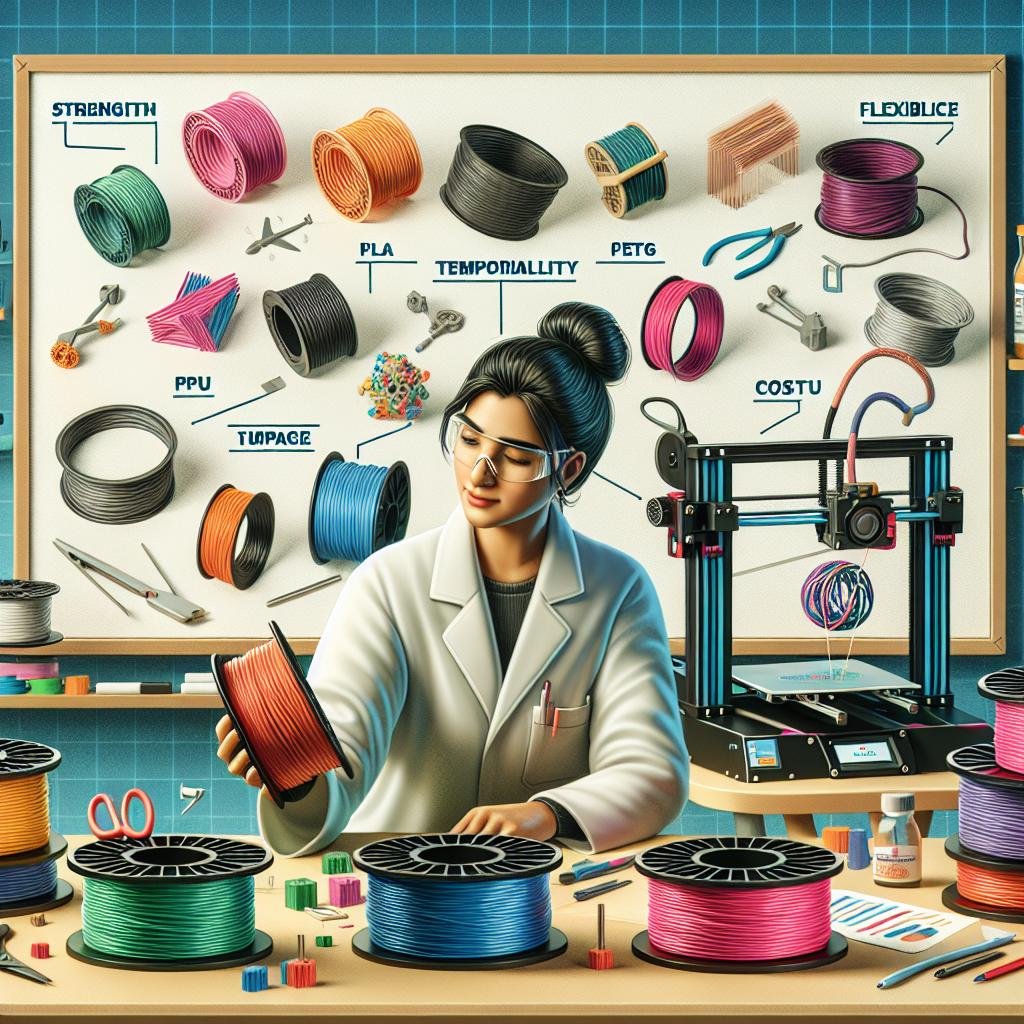
Understanding Filament Types and Their Unique Qualities
When embarking on a 3D printing journey, one of the first essential decisions is selecting the right filament to suit your project needs. PLA (Polylactic Acid) stands as a favorite among beginners due to its ease of use and eco-friendly qualities, evolving from renewable resources such as cornstarch. Its low melting point makes it perfect for small-scale DIY projects, while its variety of color options allows for creative adaptability. Alternatively, ABS (acrylonitrile Butadiene Styrene) is revered for its sturdiness and impact resistance, ideal for functional parts and prototypes. However, it demands a controlled environment due to its higher melting point and tendency to warp. Each type offers its unique set of qualities that can spell the difference between a prosperous print and a frustrating experience.
For more specialized applications, consider exploring other filament options that offer distinct features:
- PETG (Polyethylene Terephthalate Glycol): Combining the best of both PLA and ABS, PETG offers strength and flexibility. It’s less prone to warping and emits barely any odor.
- TPU (Thermoplastic Polyurethane): Famous for its elasticity and resilience, TPU is ideal for projects requiring rubber-like properties.
- Nylon: Known for exceptional durability and good flexibility, making it suitable for mechanical parts.
| Filament type | Primary Quality | Ideal Use |
|---|---|---|
| PLA | Easy to use | Beginners |
| ABS | Durable and hard | Functional prototypes |
| PETG | Strong and flexible | Vase models |
| TPU | Elastic and resilient | Wearables |
| Nylon | Highly durable | Mechanical parts |
Balancing Cost and Quality for Optimal 3D Print Results
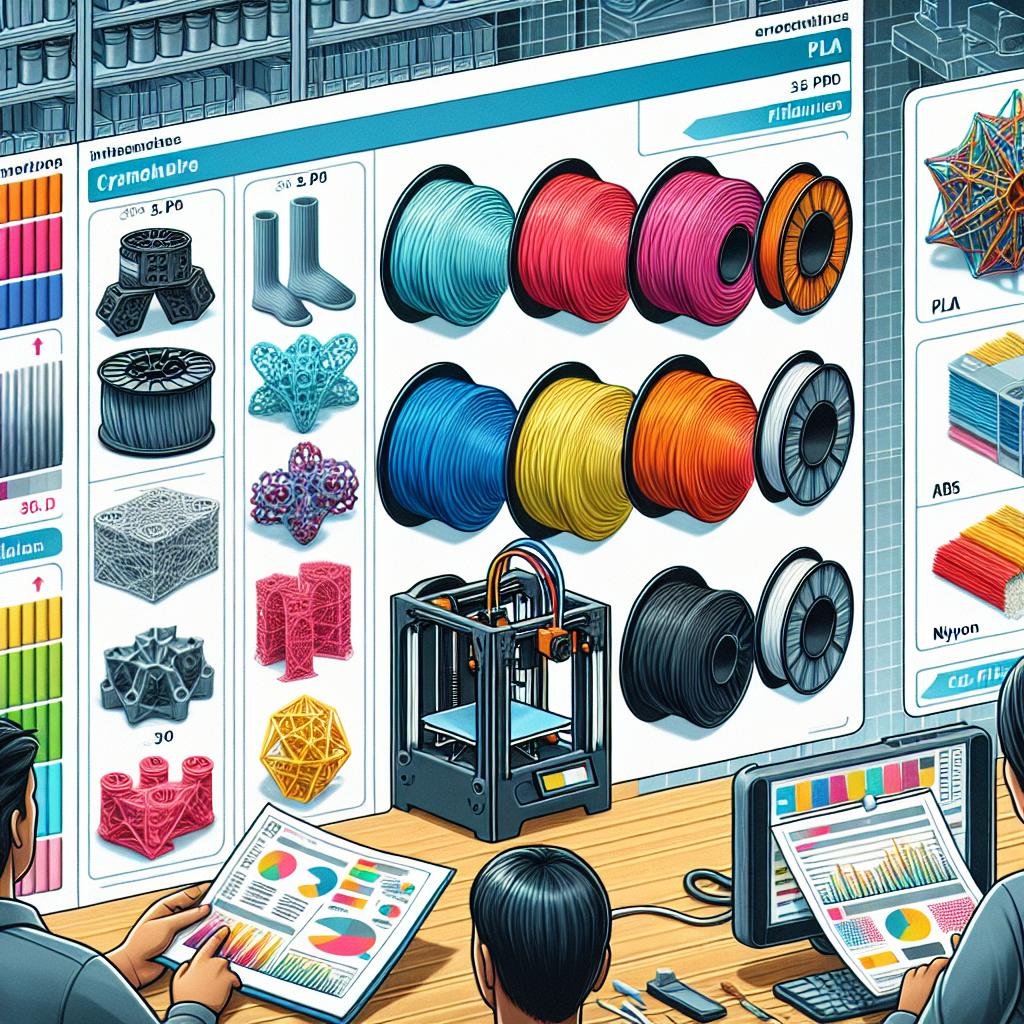
For every 3D printing enthusiast, finding that sweet spot where cost aligns with quality can sometimes feel like striking gold.Thankfully, choosing the right filament for your next big project doesn’t have to be a taxing ordeal. Start by exploring a variety of filament materials, each with its own unique traits and cost implications. PLA (Polylactic Acid), as a notable example, is a crowd favorite for its eco-friendliness and ease of use. ABS (Acrylonitrile Butadiene Styrene), while a bit pricier, promises robustness and is ideal for objects requiring more durability. Explore newcomers like PETG (Polyethylene Terephthalate Glycol), which strikes a balance between PLA’s simplicity and ABS’s strength, at a mid-range cost.
Understanding your project’s requirements is crucial for choosing the right filament, so consider factors like print temperature, finish quality, and flexibility. Here’s a quick guide to aid your decision-making:
- Budget-Friendly Projects: Go for PLA; it’s versatile and provides a decent finish.
- Durable Parts: ABS is your ally. Just prep for a well-ventilated area.
- Functional and Flexible Models: Delve into TPU filaments for stretchable, rubber-like prints.
| Material | Approx. Cost per kg | Key feature |
|---|---|---|
| PLA | $20 | Easy to print |
| ABS | $25 | Strong & Durable |
| PETG | $30 | Tough & Resistant |
| TPU | $35 | Flexibility |
Eco-Friendly Choices in 3D Printing Materials
- PLA (Polylactic Acid): Considered one of the most environmentally conscious materials available, PLA is derived from renewable resources like cornstarch and sugarcane. Known for its biodegradable properties, PLA is perfect for projects where sustainability is a priority. Not only does it emit fewer VOCs (Volatile Organic Compounds) during printing,but it is indeed also impressively easy to work with for both beginners and seasoned designers. it’s the ideal choice for creating intricate models, educational prototypes, and decorative items, knowing that you’re reducing the environmental impact.
- Recycled Filaments: Embracing circular economies in 3D printing, recycled filaments offer an innovative solution to repurpose discarded plastics and reduce landfill contribution. These filaments maintain quality and performance, yet make a meaningful difference by utilizing materials from PET bottles, CD cases, and even previously failed 3D prints. Supporting these products not only highlights your commitment to eco-friendliness, but often presents a unique aesthetic with color variations and textures, turning sustainability into a creative chance.
| Feature | PLA | Recycled Filaments |
|---|---|---|
| Source | Plant-based | Recycled Plastics |
| Biodegradability | High | moderate |
| Ease of Use | very easy | Moderate |
| Visual Texture | Smooth and clean | Varied and unique |
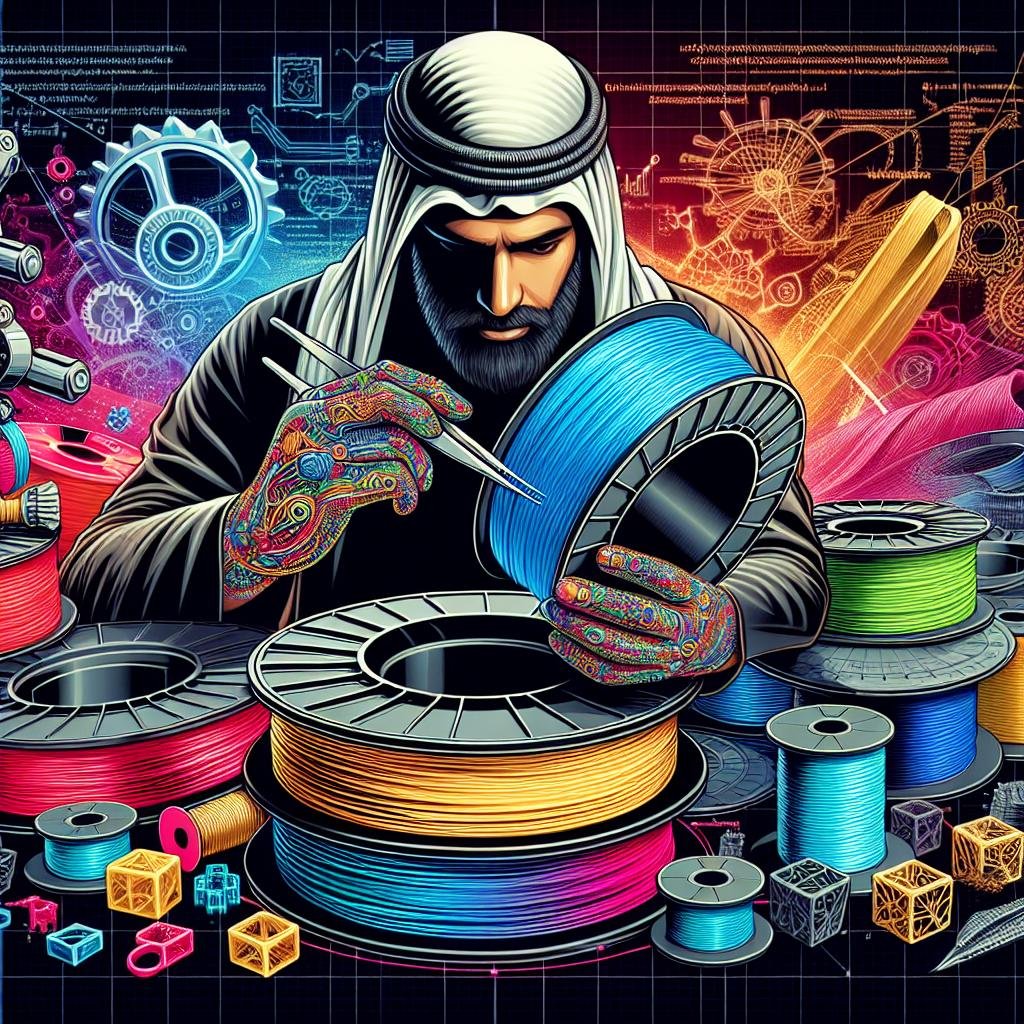
Tips and Tricks for Sourcing High-Quality Filaments
Choosing the perfect filament can make a significant difference in the quality of your 3D prints. A good starting point is to consider the material properties that align with your project needs. Such as, PLA is a favorite for beginners due to its ease of use and glossy finish, while ABS offers more durability and heat resistance. PETG serves as a middle ground, combining the best of both worlds with its strength and minimal warping. When sourcing your filament,make sure to check the diameter consistency: trust only those brands that offer precise measurements like 1.75mm or 2.85mm with minimal variation.It’s worth spending on reputable brands to avoid any disappointment or wastage during prints, as inconsistent filament can cause clogs or misprints. Keeping yourself updated with community reviews online can provide additional insights to guide your purchase.
Once you’ve nailed down the type of filament, explore additional properties such as color and texture. Specialty filaments, like those infused with metal or wood, can add impressive realism to your toys or models. Always look for vendors offering smaller sample packs, to test out different types without committing to a full spool. Here’s a quick lookup table to help you decide:
| Type | Strength | Ease of Use | Notes |
|---|---|---|---|
| PLA | Medium | High | Ideal for beginners |
| ABS | High | Medium | Requires a heated bed |
| PETG | High | Medium | Resistant to impact and mold |
store your filaments correctly – preferably in vacuum-sealed bags with desiccant packs – to maintain their quality. Happy printing!
Q&A
Q&A: Choosing the Right Filament for Your 3D Printing Projects
Q1: Why is choosing the right filament for my 3D printer such a big deal?
A1: Imagine this: you’re an artist with a rainbow of colors at your disposal. Each hue offers a unique character and feel, and the right choice can make all the difference in your masterpiece. Just like that palette, 3D printer filaments are your colors, textures, and strengths. Picking the right one ensures your creation is not just visually stunning but functional and durable,transcending your digital design into a tactile reality!
Q2: There are so many types of filaments out there. Which one should I start with?
A2: The filament universe can seem vast and overwhelming at first glance. If you’re dipping your toes into the 3D printing ocean, start with PLA (Polylactic acid). PLA is like the trusty paintbrush in an artist’s toolkit—easy to use, eco-friendly, and forgiving in nature. It melts at lower temperatures and doesn’t warp easily, making it a go-to choice for beginners exploring their creative prowess.
Q3: What if I need something more durable than PLA?
A3: For projects that need a little more oomph, ABS (Acrylonitrile butadiene Styrene) is your trusty steed. ABS boasts greater toughness and resilience, perfect for items that need to withstand the test of time—or a little roughhousing.Keep in mind, though, that ABS requires a higher printing temperature and good ventilation, just like some art supplies need special care.
Q4: Are there any specialty filaments I should know about?
A4: Absolutely! If the standard options feel a bit too vanilla, specialty filaments are like adding a splash of saffron to your creative soup. For instance, PETG blends PLA’s ease with ABS’s strength, ideal for mechanical parts. wood or metal-infused filaments add a touch of rustic charm or metallic sheen. There’s also flexible TPU for rubber-like creations. it’s all about matching the filament’s personality to your project’s needs!
Q5: How do I decide which filament to use for each project?
A5: Think of it like playing a game of matchmaker—you want to pair each project with its filament soulmate. Consider the project’s intended use, environment, and aesthetic.Will it brave the outdoors, or lounge on a sunny windowsill? Will it need to bend and flex like a gymnast or stand stoic like a statue? Understanding these nuances helps in choosing the filament that whispers, “I’m the one for this.”
Q6: Any pro tips for storing and caring for my filament?
A6: Treat your filament like fine wine. It thrives when stored cool, dark, and dry. moisture is a filament’s nemesis, so invest in airtight containers or reusable silica packets for optimal freshness. Taking a little time to show your filament some TLC ensures your pieces print like a dream every time!
Q7: what’s the biggest filament no-no?
A7: One word: haste.Rushing through the filament selection is like skimming through the ingredients list while cooking—it might still come out okay,but why not savor each choice for the best result? Consider factors like print temperature,durability,and appearance to prevent missteps and create something you’re truly proud of.
Q8: I’ve chosen my filament. Any parting wisdom before I dive into printing glory?
A8: Ready, set, print! Remember, 3D printing is as much about the journey as it is the destination. Don’t be afraid to experiment, mix, and match—every project teaches you something new. And who knows? Your next great idea might be just a filament roll away. Happy printing!
Future Outlook
As we conclude our journey through the vibrant landscape of 3D printing filaments, it’s clear that selecting the right material is both an art and a science. Whether you’re crafting delicate jewelry with PLA, engineering robust components with ABS, or conjuring futuristic designs in flexible TPU, the filament you choose holds the power to transform your creative vision into tangible reality.
Remember, the world of 3D printing is an endless expanse ripe for exploration, and with each project, you gain a deeper understanding and a more refined touch. So go ahead, unleash your imagination, and let your printer hum to the symphony of innovation. With the right filament in hand, the possibilities are as limitless as your ideas.Happy printing!