

In an age where technology and nature increasingly intertwine, the burgeoning field of biomimetic design emerges as a guiding beacon for innovation. Drawing inspiration from the intricate mechanisms of the natural world, biomimetic design challenges conventional approaches to problem-solving in emerging tech trends. From the velcro-like structures inspired by burrs that have revolutionized materials to the energy-efficient buildings mimicking termite mounds, nature’s blueprints offer sustainable solutions that address some of our most pressing challenges. As we stand on the precipice of a new technological era, exploring the importance of biomimetic design unveils not only the potential for groundbreaking inventions but also a deeper understanding of our responsibility toward both technology and the environment. This article delves into the principles of biomimetic design, its applications in contemporary innovations, and its vital role in shaping the future of sustainable technology.
Harnessing Natures Wisdom for Sustainable Innovation
Embracing the intricacies of the natural world can lead to groundbreaking solutions in technology. Biomimetic design, inspired by nature’s time-tested strategies, encourages innovation by mimicking processes, structures, and ecosystems that have evolved over millions of years. Observing how a lotus leaf repels dirt or how termite mounds regulate temperature can inform advancements in materials science, energy efficiency, and architectural design. For instance, incorporating self-cleaning surfaces or natural cooling systems can significantly reduce our ecological footprint while enhancing product functionality.
The principles of biomimicry not only spur creativity but also promote a holistic view of design that respects ecological balance. Emerging tech trends anchored in this philosophy are reshaping industries with the promise of sustainability and resilience. Some key areas where nature’s wisdom plays a pivotal role include:
- Energy Solutions: Solar panels emulating photosynthetic processes.
- Transportation: Aerodynamics inspired by birds for fuel-efficient vehicles.
- Medicine: Drug delivery systems modeled after natural biochemical pathways.
As companies increasingly recognize the value of this approach, we may witness a future where technological advancement goes hand in hand with environmental stewardship. Nature’s designs offer a blueprint of sustainability that, when replicated, can lead to a healthier planet and innovative products that resonate with the world’s pressing needs.

Transformative Applications of Biomimetic Design in Technology
Biomimetic design harnesses the beauty and efficiency of nature to inspire revolutionary advancements in technology. This approach not only solves complex human challenges but does so with sustainability in mind. By analyzing the intricate systems found in the natural world, engineers and designers are developing cutting-edge solutions that mirror these biological processes. For example, the structure of lotus leaves has influenced the creation of self-cleaning surfaces, while the design of termite mounds has inspired energy-efficient building systems that regulate temperature naturally.
Another compelling application can be found in the field of robotics, where designers are looking to emulate the adaptive capabilities of animals. Robots inspired by octopuses showcase unparalleled flexibility and precision in movement, leading to innovative applications in surgery and underwater exploration. Additionally, the study of bird flight patterns has guided the development of drones that can maneuver efficiently in diverse environments. This cross-disciplinary innovation is not just enhancing technological performance but also aligning emerging tech trends with ecological harmony, ensuring that advancements in technology lead to a more sustainable future.

Navigating Challenges and Opportunities in Biomimetic Integration
Incorporating biomimetic principles into technology design often presents a complex array of challenges that must be navigated thoughtfully. Understanding nature’s mechanisms requires thorough research and experimentation, which can sometimes lead to resource-intensive development processes. Stakeholders must consider various factors, such as material sustainability, ecological impact, and scalability of biomimetic technologies. The ever-evolving nature of technological innovation necessitates a flexible mindset that embraces trial and error, fostering a culture that values learning from both success and failure. Key challenges include:
- Translating natural systems into functional designs
- Balancing performance with environmental considerations
- Securing funding for interdisciplinary approaches
Despite these challenges, the integration of biomimetic principles offers an array of unique opportunities for growth and innovation across various sectors. By mimicking nature, designers can unlock potential breakthroughs in energy efficiency, material science, and user-centered design. This paradigm shift not only enhances product performance but also resonates with a growing consumer demand for environmentally friendly alternatives. Notable opportunities include:
- Development of self-sustaining systems
- Advancements in soft robotics inspired by animal movements
- Creation of adaptive materials that respond to environmental changes
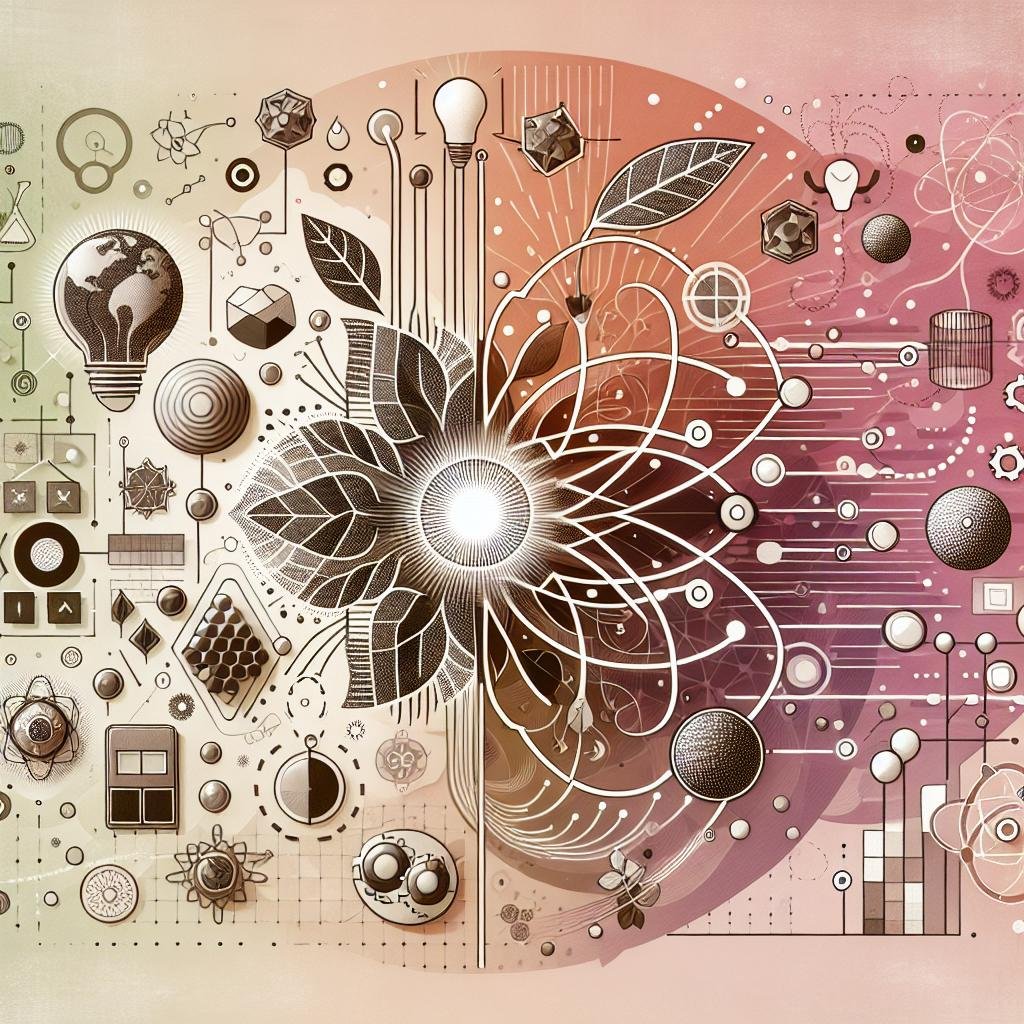
Future Directions: Cultivating a Biomimetic Mindset in Tech Development
To embrace the potential of biomimicry in tech development, fostering a biomimetic mindset becomes essential. By looking to nature for inspiration, designers and engineers can uncover innovative solutions that enhance sustainability and efficiency. This mindset encourages a deeper connection with the natural world, prompting tech developers to ask critical questions about their designs’ impact on the environment. Some strategies to cultivate this mindset include:
- Interdisciplinary Collaboration: Engage experts from biology, engineering, and design to foster diverse perspectives.
- Nature Immersion: Encourage visits to natural ecosystems to observe and learn from intricate biological systems.
- Innovation Workshops: Host sessions that focus on translating biological principles into technological applications.
Encouraging educational pathways that highlight the principles of biomimicry in technology will further promote a sustainable future. By integrating concepts from nature directly into educational curricula, future generations can be trained to view challenges not merely as obstacles but as opportunities for creative solutions informed by the natural world. A holistic approach might include:
| Educational Focus | Biomimetic Application |
|---|---|
| Systems Thinking | Modeling ecosystems for sustainable design strategies |
| Material Science | Discovering new biodegradable materials inspired by nature |
| Engineering Principles | Designing energy-efficient structures based on animal habitats |
Q&A
Q&A: The Importance of Biomimetic Design in Emerging Tech Trends
Q: What is biomimetic design, and why is it gaining attention in technology?
A: Biomimetic design refers to the practice of drawing inspiration from nature to solve human challenges. As we face complex issues in sustainable development, energy efficiency, and material science, mimicking the time-tested solutions found in the natural world can lead to innovative technologies that are both effective and environmentally friendly.
Q: Can you give examples of how biomimetic principles are being applied in emerging tech?
A: Absolutely! For instance, researchers have developed materials inspired by the Lotus leaf, which self-clean due to its unique microstructure. This has led to advances in water-resistant coatings. In the field of robotics, engineers are mimicking the swarming behavior of bees to enhance algorithms for collaborative robotics, improving efficiency in logistics and manufacturing.
Q: How does biomimetic design contribute to sustainability?
A: Biomimetic design emphasizes efficiency and resilience. By learning from ecosystems, we can create technologies that use resources more wisely and sustainably. For example, buildings designed with structures resembling termite mounds can optimize temperature regulation without relying heavily on energy-consuming HVAC systems, significantly reducing the carbon footprint.
Q: What challenges does biomimetic design face in its implementation?
A: While the potential is vast, translating biological concepts into practical applications can be complex. There can be significant hurdles in understanding the intricacies of biological systems, as well as technological limitations in replicating these natural mechanisms at scale. Furthermore, interdisciplinary collaboration is essential yet often difficult to navigate.
Q: In what sectors do you see the most promising applications of biomimetic design?
A: Biomimetic design holds promise across various sectors, including architecture, robotics, materials science, and even medicine. For example, in healthcare, researchers are developing adhesive materials inspired by the sticky pads of geckos for surgical purposes. In urban planning, cities are experimenting with biomimicry in their infrastructure to manage stormwater like natural ecosystems.
Q: How can businesses leverage biomimetic design for competitive advantage?
A: Companies that adopt biomimetic design can differentiate themselves by offering innovative products and solutions that address modern consumer demands for sustainability and efficiency. This approach can lead to cost reductions through improved resource management and new revenue streams by capturing emerging markets focused on eco-friendly technologies.
Q: Can individuals contribute to or benefit from biomimetic design?
A: Yes, individuals can both contribute to and benefit from the principles of biomimetic design. On a personal level, adopting biomimetic practices, such as choosing products inspired by natural solutions, supports sustainable living. Educating oneself about the principles of biomimicry can also inspire innovation or entrepreneurial ventures in their respective fields.
Q: What does the future hold for biomimetic design in technology?
A: The future is bright for biomimetic design. As our understanding of biological systems deepens and technology advances, we can expect a growing integration of these principles in innovation. With increasing awareness of environmental challenges, biomimetic design will likely emerge as a cornerstone in the development of technologies that harmonize with the natural world rather than oppose it.
Closing Remarks
As we stand at the crossroads of innovation and nature, the principles of biomimetic design remind us that some of the most groundbreaking solutions can be found not in human ingenuity alone, but in the intricate designs perfected over millennia by the natural world. By drawing inspiration from nature’s time-tested strategies, emerging technologies have the potential to not only solve pressing challenges but also enrich our relationship with the planet.
As we continue to explore and implement these insights into our technological advancements, we pave the way for a future that harmonizes human progress with ecological sustainability. The journey of discovery is far from over; each new innovation grounded in biomimetic design holds the promise of a more sustainable, efficient, and interconnected world. Let us embrace this symbiosis of nature and technology, and together, craft a future where both can thrive.