
In a world where creativity is the only limit, technology is the magical wand turning dreams into reality.Welcome to the realm where 3D printing and the entertainment industry tango in a mesmerizing performance, crafting tales as old as time with a futuristic twist. From the awe-inspiring props that embellish our favourite galaxies far, far away, to the innovative prototypes lighting up the latest blockbuster scenes, 3D printing stands at center stage, transforming the creative process like never before. Join us on this exciting journey as we unveil the layers of creativity and craftsmanship that emerge when pixels and filaments meet. Whether you’re a tech enthusiast, a cinephile, or just curious about the next wave in entertainment magic, let’s explore how 3D printing is reshaping the landscapes of imagination, from screen to screen, and beyond!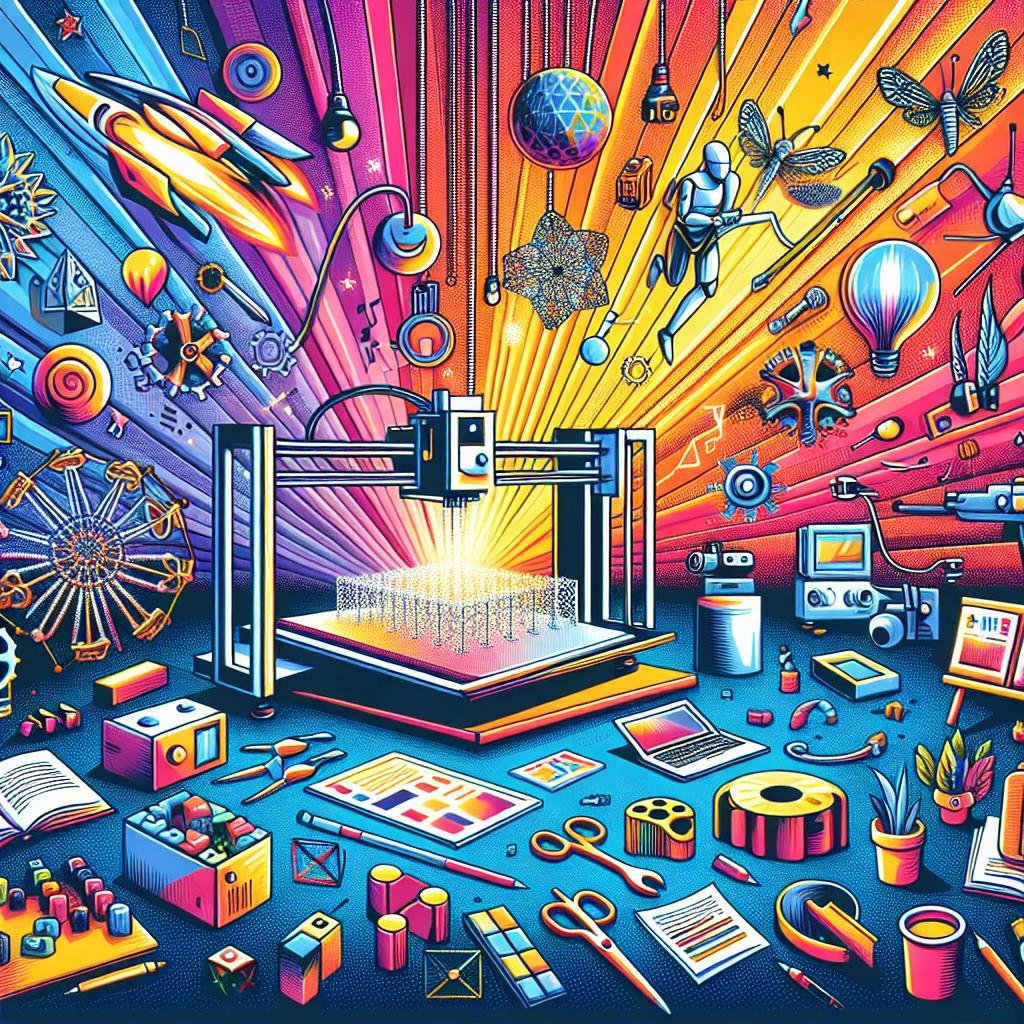
Crafting Cinematic Magic unveiled
Deep in the heart of Hollywood and beyond, the art of 3D printing is revolutionizing the creative landscape. The entertainment industry’s masterminds are harnessing this technology to infuse their narratives with a new, tangible depth.Gone are the days of cumbersome mold making and lengthy handcrafting processes.With the gentle hum of a printer, intricate props spring to life with precision and speed, matching the wildest dreams of directors and designers. The seamlessness of these creations allows for rapid iterations, enabling filmmakers to experiment and innovate without the constraints of time. They can now create everything from awe-inspiring sci-fi gear to enchanted artifacts,each with an intricate design previously only imaginable in concept art.
Consider the integration of prototyping within film production, where entire new worlds are mapped out in miniature form. Artistically, it allows for a highly detailed exploration that can translate into larger-than-life cinematic experiences. These prototypes serve as a realistic sandbox for set designers and directors to test the feasibility of their visions. Take for exmaple, action-packed scenes with costumes or gadgets, where functionality is paramount. Here’s a glimpse at some key advantages:
- Flexibility: Adjust designs quickly to fit the creative narrative.
- Cost-Efficiency: Reduce material waste and prototype investment.
- Customization: Personalize every tiny detail on demand.
| Application | benefit |
|---|---|
| Detailed Props | Enhanced visual authenticity |
| Set Models | Improved planning efficiency |
| Costumes | Unique customization ability |
Behind the scenes: Revolutionizing set Design
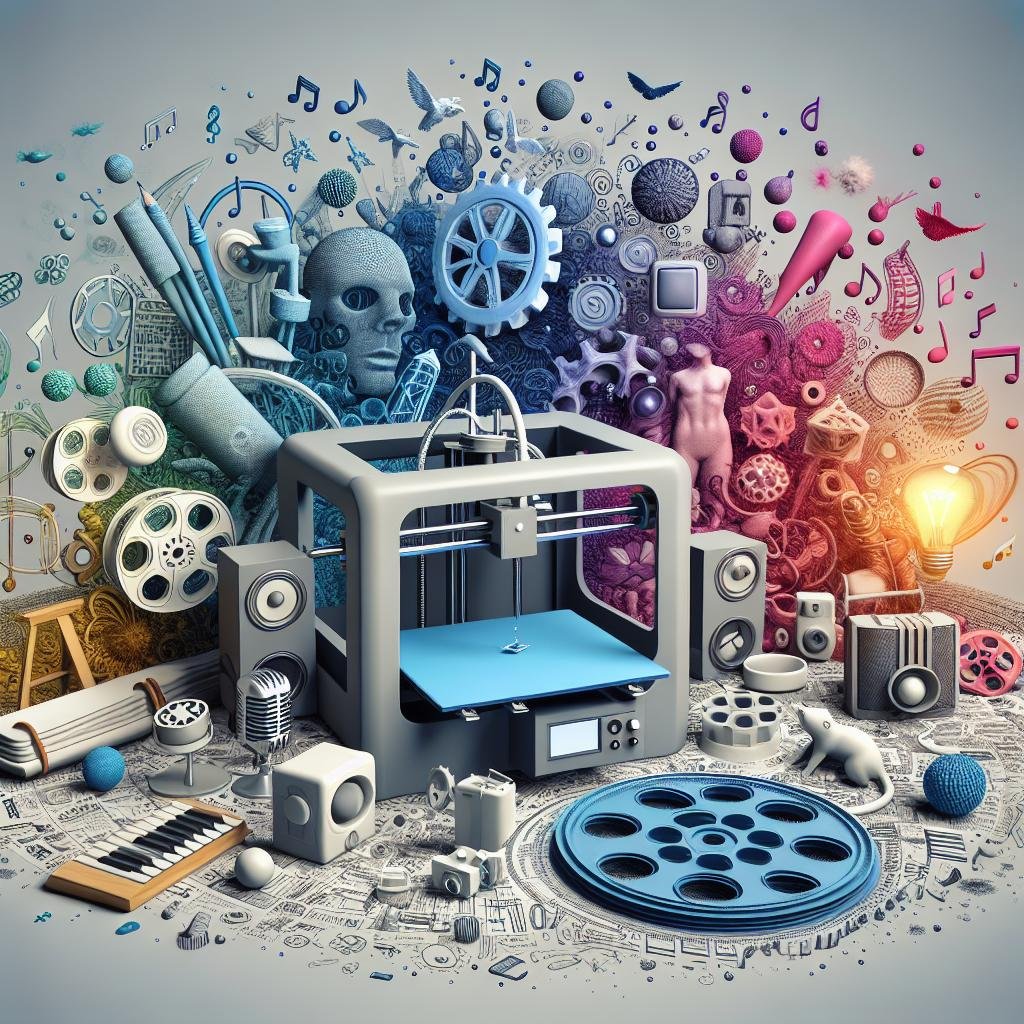
In the fast-paced world of entertainment, the art of crafting stunning and lifelike set designs has undergone a dramatic transformation. 3D printing has emerged as a game-changer,bringing a new level of precision and creativity to the creative process. No longer bound by the limitations of customary techniques, set designers can now explore uncharted territories, creating intricate and visually striking props and prototypes that were once deemed impossible. With a 3D printer at their fingertips, designers can swiftly materialize their ideas into tangible assets, ensuring that every element of a set is meticulously crafted and customized to fit the vision of the production.
- Quick turnaround times for design modifications.
- Reduced material waste with precise prints.
- Enhanced ability to create complex geometries.
Moreover, the impact of 3D printing on cost efficiency and sustainability in set design is compelling. By utilizing digital files, production teams can achieve remarkable consistency across replicas, while together reducing material wastage.Consider a scenario where an intricate set piece, once taking weeks to carve, can now be completed in just a few hours. The benefits are not just limited to time-saving; the reduction in manual labor costs also makes a significant financial impact. Dive into the comparison below showcasing the advantages of traditional versus 3D printed components:
| Aspect | Traditional | 3D Printed |
|---|---|---|
| Time | Weeks | hours |
| Material Waste | High | Low |
| Cost | High | Reduced |
Navigating the New Frontier of Interactive experiences
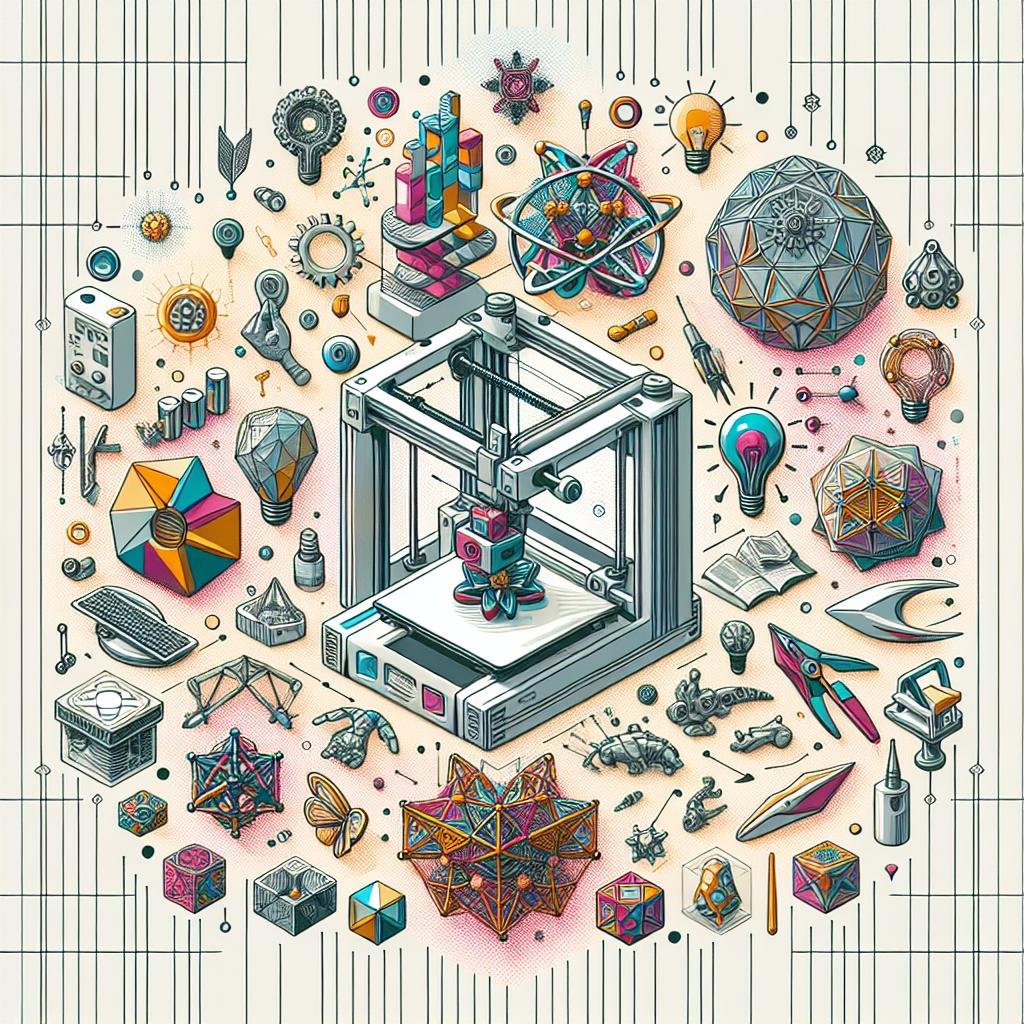
In today’s entertainment industry, the advent of 3D printing technology is transforming how art departments approach design and production.Gone are the days when artists spent weeks molding intricate props by hand. Now, with the push of a button, they can bring digital designs into the real world with astonishing speed and precision. The possibilities are virtually limitless, allowing for bold creativity and experimentation without the usual constraints of time and budget. With 3D printing, filmmakers and game developers can quickly generate detailed prototypes, tailor intricate wardrobes, and even create fantastical creatures that come to life on screen. What was once relegated to the realm of imagination can now be rapidly materialized, providing a tangible leap forward in storytelling potential.
- Custom Props: Quickly manufacture unique items that fit perfectly within a story’s narrative.
- Rapid Prototyping: Streamline the development of concept models for films and games.
- Cost Efficiency: Reduce the cost of materials and labor while allowing for more ambitious projects.
The emergence of 3D printing has also democratized the creative process, inviting more voices into the fold with minimal barriers to entry. From self-reliant filmmakers to major studios, everyone can now experiment with designs that would have been prohibitively expensive or elaborate using traditional methods.This has lead to a growing community that shares resources and tips online, fostering innovation at an unprecedented pace. For instance, studios can utilize online platforms to collaborate with designers from across the globe, building a diverse arsenal of props and costumes without the hassle of physical shipping. This connected network facilitates instant feedback and iteration, further enhancing the creative process and fostering a culture of innovation.
| Application | Benefits |
|---|---|
| Set Design | Flexibility in creating complex structures on demand. |
| Special Effects | Increased realism in practical effects with custom capabilities. |
| Merchandising | Efficient production of collectibles and promotional items. |
Mastering Your 3D Toolkit for Success in Entertainment
The evolution of 3D printing in the entertainment industry has transformed the way creators approach the design and production process. To truly master your 3D toolkit, you need to harness the power of precision and creativity that this technology provides.From crafting awe-inspiring movie props to developing intricate character prototypes, 3D printing has become an indispensable part of entertainment storytelling.You’ll find that having the right software and materials is crucial, as they empower you to push the boundaries of imagination. Consider enhancing your toolkit with cutting-edge software like Blender or ZBrush for detailed modeling, and pair it with professional-grade printers ensuring high-quality outputs. With the right resources, your ability to create lifelike and immersive elements is bound only by your creativity.
- Software: blender, ZBrush, TinkerCAD
- Materials: PLA, ABS, Resin
- Printers: Ultimaker, Prusa, Formlabs
In the vibrant realm of entertainment, developing a keen understanding of material properties and aesthetics stands essential for success. Imagine crafting a dragon’s scale or an alien landscape—3D printing makes these fantastical elements a reality,with detail down to the smallest ridge or hue. Mastering your toolkit not only means knowing the best tools but also understanding their application, adapting them to meet the unique needs of each project. Collaboration and feedback are key components of this creative process, and with digital design files, modifications can be fast and seamless. Artists can work in tandem, instantly sharing innovations and alterations, thereby accelerating the production timeline.It’s an exciting era where technology and artistry are intertwined, carving paths to new dimensions of visual storytelling.
| Tool | Purpose |
|---|---|
| Blender | 3D Modeling and Animations |
| TinkerCAD | Design Prototyping |
| Ultimaker Printer | High-Precision Printing |
Q&A
Q&A: Unveiling the Magic of 3D Printing in Entertainment
Q1: What makes 3D printing such a game-changer in the entertainment industry?
A1: Imagine if creating the fantastical worlds we see on screen was as easy as hitting ‘print.’ 3D printing is making that dream a reality! It allows for swift creation of detailed props, costumes, and even set pieces with remarkable precision. Plus, it slashes production time and costs, meaning creators can spend less time worrying about logistics and more time bringing their imaginative worlds to life.
Q2: How is 3D printing used in producing props for movies and TV shows?
A2: Think of your favorite sci-fi movie. those intricate gadgets and otherworldly artifacts? They could very well be products of 3D printing magic. Designers can prototype and iterate designs rapidly, tweaking them untill they’re just right. Then, the printers take over, crafting intricate pieces that might be too costly or complex to create using traditional methods.
Q3: Are there any notable movies or series where 3D printing played a key role?
A3: Absolutely! Blockbusters like Marvel’s “Iron Man” series and the dystopian world of “Blade Runner 2049” have both benefitted from 3D printing. It’s also found a home in TV series, where the quick turnaround between episodes necessitates innovative solutions for prop production. Fans enjoy a more immersive experience, thanks to the enhancement of realism and detail.
Q4: Is 3D printing limited to props, or does it extend beyond that?
A4: The magic doesn’t stop at props! 3D printing extends to costumes, enabling the creation of detailed and customizable designs that were previously unimaginable. It’s also revolutionizing set design by allowing architects to model complex structures and even print some components directly. Beyond the physical realm, 3D-printed character models help animators in pre-visualization, bridging the gap between imagination and final product.
Q5: How is the incorporation of 3D printing influencing creativity within the industry?
A5: 3D printing is like adding a whole new set of colors to an artist’s palette. It empowers creators to push boundaries and experiment without the constraints of traditional manufacturing. Artists can take audacious risks, knowing that iterations are quicker and more affordable. It’s leading to fresh, bold storytelling and visual experiences that continue to captivate audiences around the globe.
Q6: What future trends do you foresee for 3D printing in entertainment?
A6: The future is gleaming, much like the endless possibilities 3D printing opens up. As technology evolves, we envision a world where virtual reality and augmented reality experiences are crafted with 3D-printed elements. We might also see personalized content, where viewers gain unique, tangible items inspired by their favorite shows. The horizon is limitless, and 3D printing is paving the way for unimaginable realms to unfold before our eyes.
Q7: Any advice for budding creators looking to incorporate 3D printing into their projects?
A7: Dive in and don’t be afraid to experiment! Start with small projects to familiarize yourself with the technology and materials. Network with other creators and tech experts to share knowledge and insights. Most importantly, let your imagination soar.With 3D printing, the only limit is your creativity—your next great idea could be just a print away!
The Conclusion
As the final curtain falls on our exploration of 3D printing in the entertainment industry, it’s clear that this transformative technology is casting its magic far and wide. From conjuring up fantastical props that leap from imagination to reality, to shaping groundbreaking prototypes that push the boundaries of storytelling, 3D printing is revolutionizing the way we create and consume entertainment.Every printed layer adds a new dimension to the creative process, echoing the industry’s relentless pursuit of innovation and imagination. With each hum of the printer, a new possibility comes to life, weaving together tradition with technology in a tapestry of the future that’s as vibrant as it is versatile.
So whether you’re a filmmaker seeking awe-inspiring visuals, a game designer crafting the next immersive experience, or simply an avid fan curious about the magic behind the scenes, remember this: in the world of entertainment, 3D printing isn’t just a tool—it’s a portal to endless creativity. As the credits roll on this piece, let’s keep our eyes on the horizon, eager for the next act in this exciting saga of artistic evolution. Until next time, keep dreaming, keep creating, and who knows? Maybe the next revolutionary idea is just a print away.